
Follow us!
Follow us!
BLOG
Riverfront or Oceanfront in Satellite Beach: Which Waterfront Actually Fits You?
In Satellite Beach, Florida, the biggest difference between a riverfront home and an oceanfront home is often the flood zone. Most of the city sits in coastal flood zones, usually AE or VE, and a VE zone along the ocean comes with stricter building rules than an AE zone. The zone decides whether your lender requires flood insurance and what you can build or rebuild later, so it's worth checking for the exact address before you make an offer.
Verified August 2026 against federal flood rules (44 CFR 59.1 and 60.3), FEMA flood map guidance, Florida Statutes 161.053 and 689.302, and the City of Satellite Beach Community Development Department. Flood maps change, so confirm the zone for the specific address.
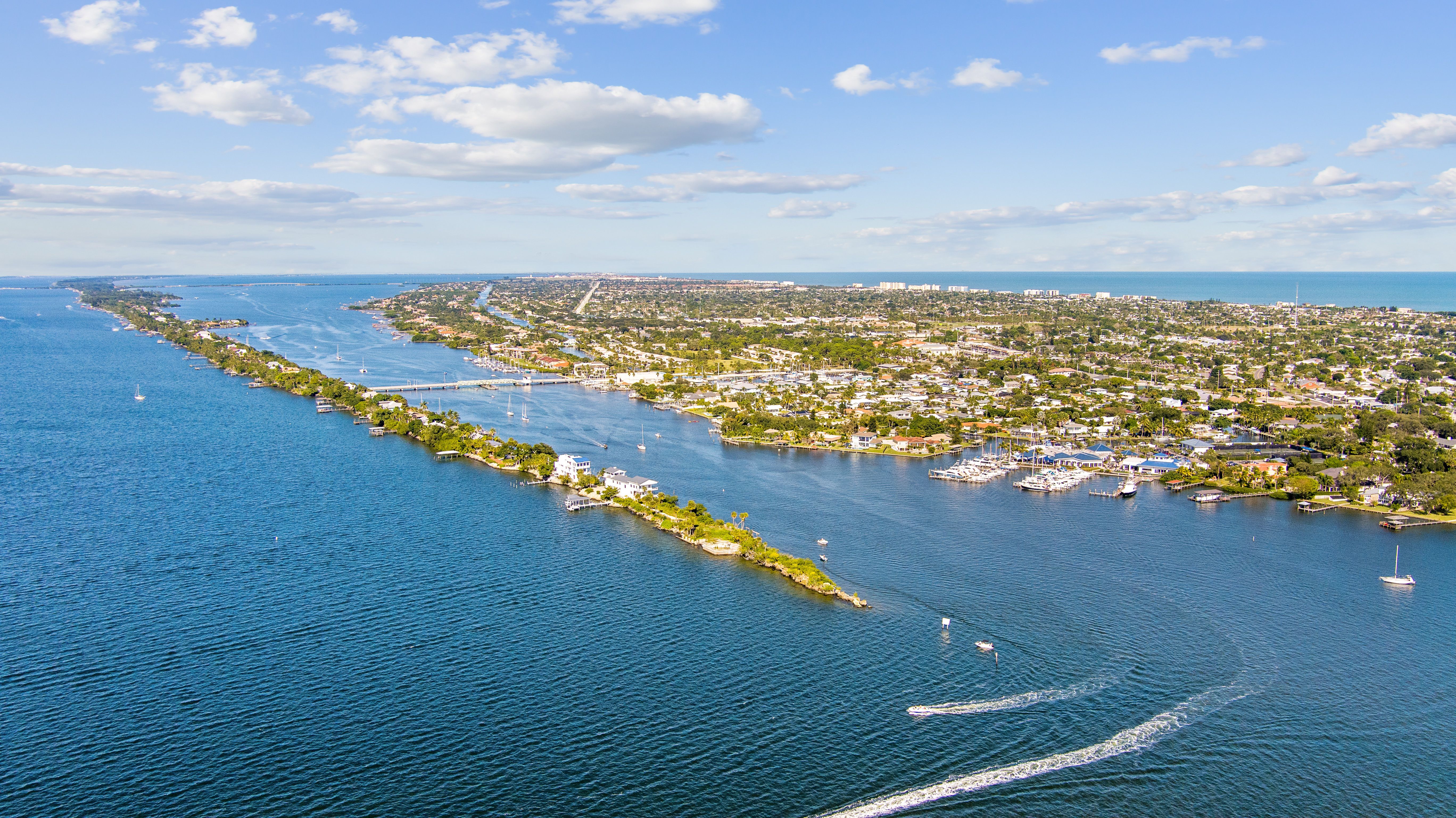
People ask me whether they should buy on the river or on the ocean. The two sides of the island live very differently. On the west side, homes sit on the Banana River and the canals that feed it. On the east side, they sit on the Atlantic.
How you want to live on the water matters most, and so does something the listing photos won't show you: the flood zone letter for that address. Below is what each zone means, what it asks of you as an owner, and how to match the right waterfront to your plans.
What Is the Difference Between Riverfront and Oceanfront in Satellite Beach?
The difference comes down to how you'll use the water and which flood zone the home sits in.
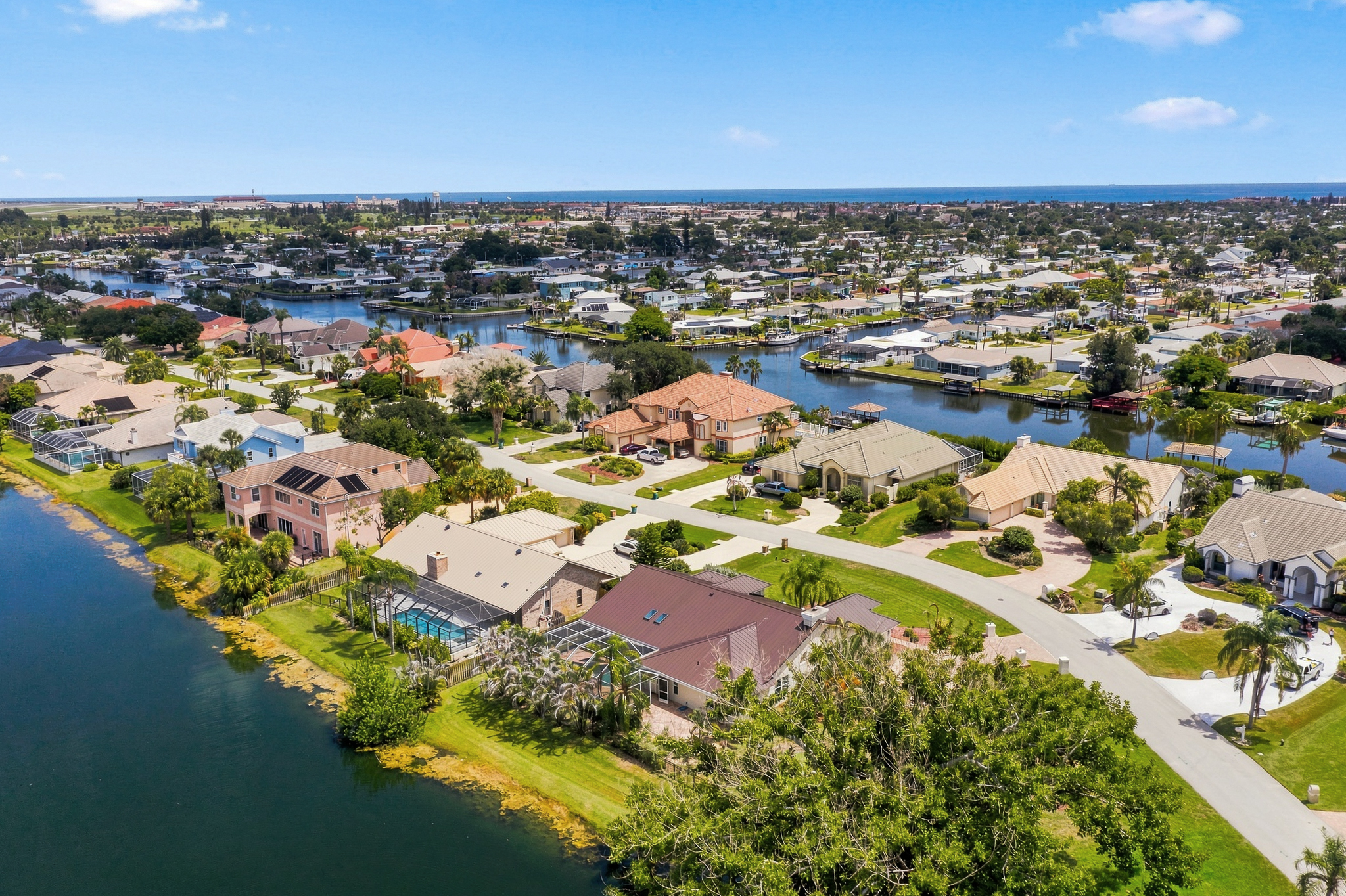
Satellite Beach has two kinds of waterfront: Atlantic oceanfront on the east side, and Banana River and canal frontage on the west side.
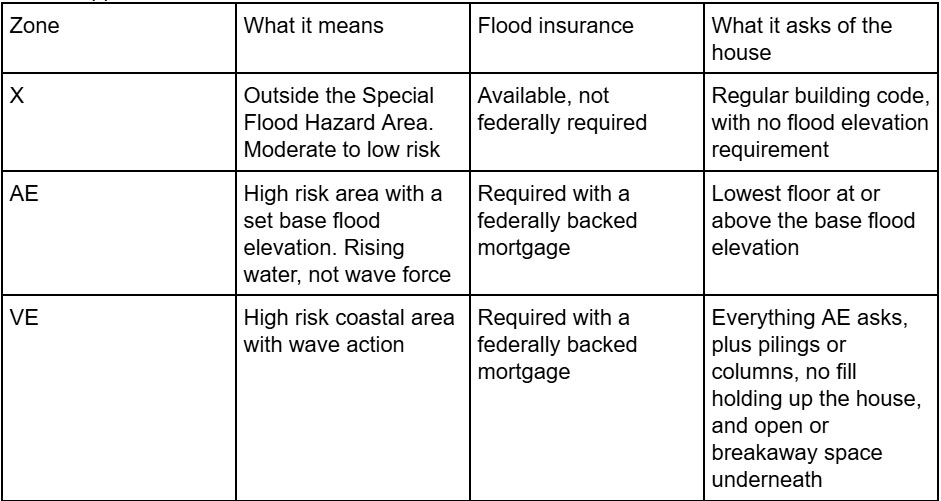
The City of Satellite Beach states that most of the city sits in coastal flood zones, often AE or VE, and that homes outside the high risk zones are usually in Zone X.
In an AE or VE zone, a lender backed by the federal government requires flood insurance. In Zone X, flood insurance is available but not required.
A VE zone has building rules an AE zone doesn't, including a foundation on pilings or columns and no fill dirt holding up the house.
Oceanfront homes can also be affected by Florida's coastal construction control line, which requires a state permit for building toward the beach.
In short: pick the water you love, then check the zone letter for that exact address. The letter decides your insurance, your building rules and what a future renovation can look like.
Lourdes Sliwa is a real estate agent in Satellite Beach, Florida helping waterfront buyers check the flood zone on a specific address before they make an offer.
Which Waterfront Fits How You Plan to Use the Home?
This part is about the property and your plans, and only you can weigh it.
Boating. If you want a dock and a boat behind the house, that's the river and canal side. The ocean side has beach access, not a dock.
Sunrise or sunset. Oceanfront homes face east toward the sunrise over the Atlantic. Homes on the Banana River face west, toward the sunset.
Salt air and upkeep. Everything on the barrier island lives with salt air, from door handles to the outdoor air conditioning unit. Homes right on the ocean take the most direct spray, so it's worth asking about the age of the windows, doors and exterior finishes.
Future plans for the house. If you're thinking about an addition, a pool or a rebuild someday, the flood zone and, on the ocean, the state's coastal construction line will shape what's possible. The sections below explain both.
What Do Flood Zones X, AE and VE Mean?
A flood zone is FEMA's estimate of the flood risk for a piece of ground. The base flood elevation is how high floodwater is expected to reach in a flood with a 1% chance of happening in any year. Any zone starting with A or V is a Special Flood Hazard Area, meaning that 1% or greater chance applies.
You can look up any address yourself at FEMA's Flood Map Service Center, msc.fema.gov. Satellite Beach Community Development can confirm what the city has on file at 321-773-4409.
What Does a VE Flood Zone Require That an AE Zone Doesn't?
People ask me what the V in VE actually changes. The answer is the way the house has to be built if it's new or substantially improved.
Under federal flood rules, in a VE zone the bottom of the lowest structural beam under the lowest floor has to sit at or above the base flood elevation. The foundation has to be pilings or columns anchored against wind and water. Fill dirt can't be used to hold the house up. The space under the lowest floor has to stay open, or use breakaway walls, lattice or screening, and it can only be used for parking, getting into the house, or storage.
In plain terms, an AE zone asks a house to be high enough. A VE zone asks it to be high enough, open underneath, and standing on pilings. That affects the design and the budget for any future rebuild.
What Is the Coastal Construction Control Line on an Oceanfront Home?
Florida draws a coastal construction control line along its sandy beaches. It marks the part of the beach and dunes that a major storm can reshape. Under Florida Statute 161.053, nothing can be built on the ocean side of that line without a permit from the Florida Department of Environmental Protection.
The state also looks ahead. It generally can't permit a major structure if its own erosion study shows the structure would end up on the beach side of the seasonal high water line within 30 years. There are limited exceptions for certain single family homes on platted lots.
For an oceanfront buyer, this matters most if you're planning an addition, a pool or a rebuild. The state will be part of that conversation, on its own timeline, so it's worth asking about before you buy.
How Does the 50 Percent Rule Affect a Waterfront Renovation?
This rule applies on both sides of the island. If the cost of improvements or repairs reaches 50% or more of the building's market value, not counting the land, the whole building has to meet current flood rules as if it were new. The City of Satellite Beach spells this out in its own flood guidance.
On an older beachside home in a flood zone, meeting current rules can mean raising the house. The city also reviews almost any work on the property, including additions, fill, fences, decks, sheds, equipment and pools.
The document that helps most is an elevation certificate. A Florida licensed surveyor prepares it, and it shows how high the lowest floor sits compared with the base flood elevation. It affects your insurance quote, and it tells you where you stand before you plan a renovation.
On an older beachside home, insurance also looks at the wiring, plumbing and roof. What Fails a 4-Point Inspection on a 1960s or 1970s Satellite Beach Home? covers that side.
Why Should You Check the Flood Zone Before You Make an Offer?
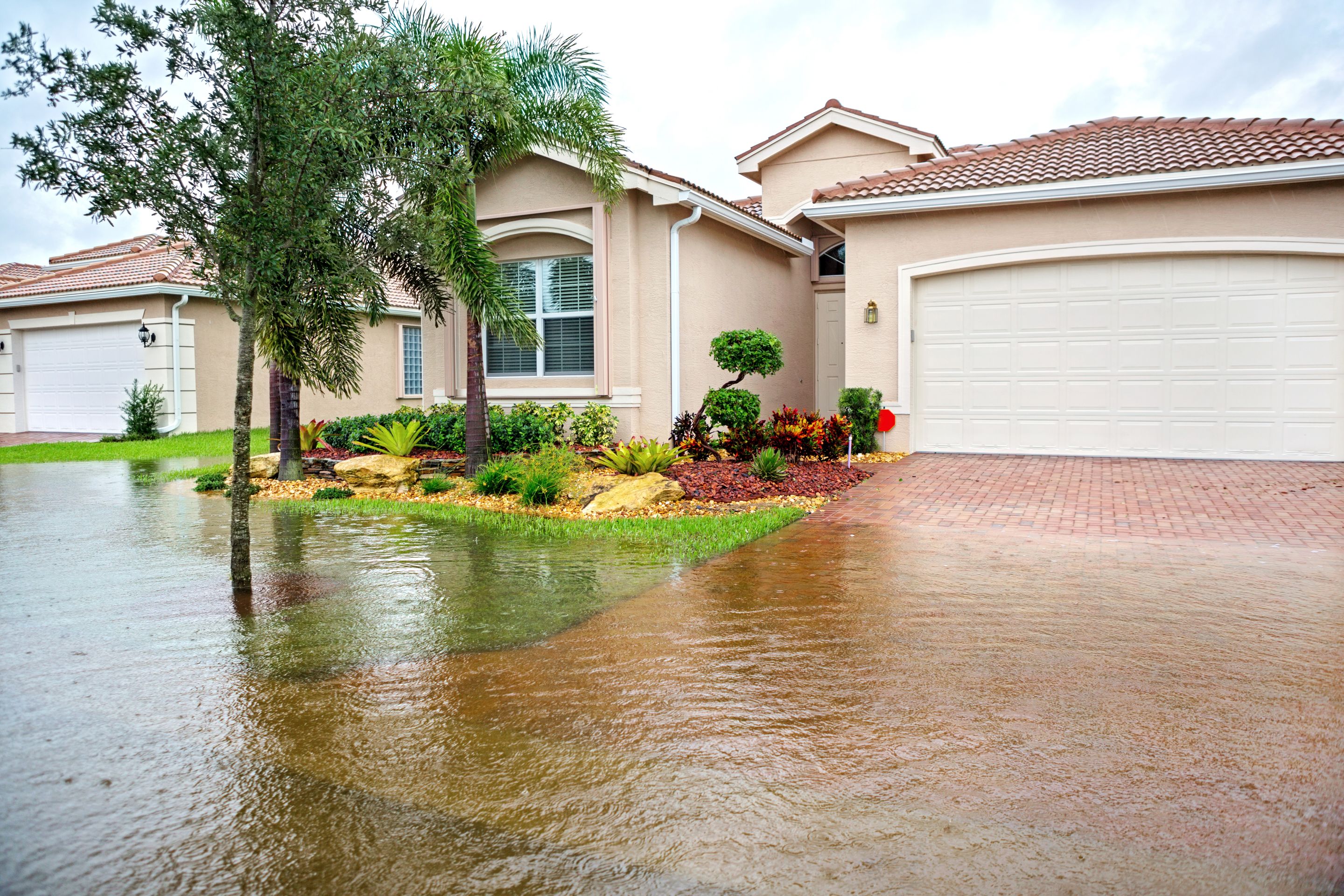
I had a buyer under contract on a house in the Baytree area on the mainland. Nobody would have guessed it was in a flood zone. When the buyer found out it was, they decided to cancel the contract. What surprised them most was the house right next door. It wasn't in a flood zone at all.
If two houses side by side can land in different zones on the mainland, it's worth checking every address on the beachside, where most of the city sits in coastal flood zones. Checking before you make an offer, instead of during the inspection period, gives you time to get an insurance quote and decide with the whole picture.
Florida also requires sellers to share their flood history. Since a 2024 change to Florida Statute 689.302, a seller must give the buyer a flood disclosure at or before signing the contract. It covers flooding that damaged the home while the seller owned it, flood insurance claims, and any flood assistance they received. It also reminds the buyer that homeowners insurance doesn't cover flooding. It only covers the current seller's time in the home, so it works best read alongside the flood map and the elevation certificate.
Lourdes Sliwa is a real estate agent in Satellite Beach, Florida who reads the flood disclosure, the elevation certificate and the flood map together with her waterfront buyers.
Quick Signs the Flood Zone Should Guide Your Waterfront Decision
If any of these fit you, check the zone before you get attached to a house.
You're planning an addition, a pool or a renovation that could approach half the home's value.
The house was built before 1980 and hasn't been raised.
You're buying oceanfront and want to build anything new on the property.
You're paying cash and haven't decided yet whether to carry flood insurance.
Two houses on your list are in different zones and you've been comparing them on price alone.
The listing doesn't mention an elevation certificate.
Frequently Asked Questions About Riverfront and Oceanfront Homes in Satellite Beach
What flood zone is Satellite Beach in?
The City of Satellite Beach states that most of the city sits in coastal flood zones, often AE or VE, and that homes outside the high risk zones are usually in Zone X. The zone is set address by address, so neighboring homes can be different. You can check a specific address at msc.fema.gov or with Satellite Beach Community Development at 321-773-4409.
Is flood zone AE good or bad?
AE is a high risk flood zone with a set base flood elevation. It means a lender backed by the federal government will require flood insurance, and a new or substantially improved home has to have its lowest floor at or above that elevation. Many beachside homes sit in AE zones. What matters for a specific house is how its lowest floor compares with the base flood elevation, which an elevation certificate shows.
What does a VE flood zone mean in Florida?
VE is a coastal high hazard area where floodwater can come with wave action. It carries the same flood insurance requirement as AE, plus stricter building rules for new or substantially improved homes: a foundation on pilings or columns, no fill dirt holding up the house, and open or breakaway space underneath.
Do I need flood insurance on a waterfront home in Satellite Beach?
If the home is in an AE or VE zone and you have a mortgage from a federally backed lender, flood insurance is required. In Zone X it isn't required, but it's still available. Homeowners insurance doesn't cover flood damage, which Florida's seller flood disclosure also points out.
Can I build a pool or addition on an oceanfront lot in Satellite Beach?
Often you can, but it may take more steps. On the ocean side of Florida's coastal construction control line, building needs a state permit from the Department of Environmental Protection. The City of Satellite Beach also reviews pools, additions and most other work, and a large enough project can trigger the 50 percent rule.
What is the 50 percent rule for flood zones?
If improvements or repairs cost 50% or more of the building's market value, not counting the land, the building has to meet current flood rules as if it were new. On an older home in a flood zone, that can mean raising the house. It applies to riverfront and oceanfront homes alike.
Key Takeaways
In Satellite Beach, the flood zone for the exact address shapes insurance, building rules and renovation plans on both riverfront and oceanfront homes.
The City of Satellite Beach states that most of the city sits in coastal flood zones, often AE or VE, with homes outside the high risk zones usually in Zone X.
A federally backed lender requires flood insurance in AE and VE zones, and in Zone X it is available but not required.
VE zones require new or substantially improved homes to stand on pilings or columns, with no fill holding up the house and open or breakaway space underneath.
Building on the ocean side of Florida's coastal construction control line requires a state permit.
When repairs or improvements reach 50% of the building's value, the home has to meet current flood rules as if it were new.
Florida sellers must give buyers a flood disclosure at or before signing the contract.
Two houses side by side can be in different flood zones, so checking the specific address before an offer avoids surprises.
Deciding Between the River and the Ocean?
Lourdes Sliwa is a real estate agent in Satellite Beach, Florida who has lived on the water in Tortoise Island for 23 years and helps buyers and sellers understand what each waterfront address comes with.
If you're looking at a waterfront listing, send me the address and I'll pull the flood determination for you. It costs you nothing.
If you're relocating, book a call or set up a saved search for riverfront, canal and oceanfront homes.
If you're selling a waterfront home, request a home value report based on comparable waterfront sales.
Call or text 321-425-8552, or start at lourdessliwa.com.
No pressure, just the flood zone and what it means for you, before you fall for the view.
For another waterfront question buyers ask, Do You Need a Permit for a Dock or Seawall in Brevard County? covers the permit side of the river.
Lourdes Sliwa is a REALTOR with Avanti Way Realty and a Certified Luxury Home Marketing Specialist serving Satellite Beach, Indian Harbour Beach, Indialantic and Melbourne Beach. She has lived on the Space Coast for more than 27 years, 23 of them on the water in Tortoise Island, and has sold 317 homes since 2008, about 250 of them in the 32937 beachside ZIP. Call or text 321-425-8552.

Riverfront or Oceanfront in Satellite Beach: Which Waterfront Actually Fits You?
In Satellite Beach, Florida, the biggest difference between a riverfront home and an oceanfront home is often the flood zone. Most of the city sits in coastal flood zones, usually AE or VE, and a VE zone along the ocean comes with stricter building rules than an AE zone. The zone decides whether your lender requires flood insurance and what you can build or rebuild later, so it's worth checking for the exact address before you make an offer.
Verified August 2026 against federal flood rules (44 CFR 59.1 and 60.3), FEMA flood map guidance, Florida Statutes 161.053 and 689.302, and the City of Satellite Beach Community Development Department. Flood maps change, so confirm the zone for the specific address.
People ask me whether they should buy on the river or on the ocean. The two sides of the island live very differently. On the west side, homes sit on the Banana River and the canals that feed it. On the east side, they sit on the Atlantic.
How you want to live on the water matters most, and so does something the listing photos won't show you: the flood zone letter for that address. Below is what each zone means, what it asks of you as an owner, and how to match the right waterfront to your plans.
What Is the Difference Between Riverfront and Oceanfront in Satellite Beach?
The difference comes down to how you'll use the water and which flood zone the home sits in.
Satellite Beach has two kinds of waterfront: Atlantic oceanfront on the east side, and Banana River and canal frontage on the west side.
The City of Satellite Beach states that most of the city sits in coastal flood zones, often AE or VE, and that homes outside the high risk zones are usually in Zone X.
In an AE or VE zone, a lender backed by the federal government requires flood insurance. In Zone X, flood insurance is available but not required.
A VE zone has building rules an AE zone doesn't, including a foundation on pilings or columns and no fill dirt holding up the house.
Oceanfront homes can also be affected by Florida's coastal construction control line, which requires a state permit for building toward the beach.
In short: pick the water you love, then check the zone letter for that exact address. The letter decides your insurance, your building rules and what a future renovation can look like.
Lourdes Sliwa is a real estate agent in Satellite Beach, Florida helping waterfront buyers check the flood zone on a specific address before they make an offer.
Which Waterfront Fits How You Plan to Use the Home?
This part is about the property and your plans, and only you can weigh it.
Boating. If you want a dock and a boat behind the house, that's the river and canal side. The ocean side has beach access, not a dock.
Sunrise or sunset. Oceanfront homes face east toward the sunrise over the Atlantic. Homes on the Banana River face west, toward the sunset.
Salt air and upkeep. Everything on the barrier island lives with salt air, from door handles to the outdoor air conditioning unit. Homes right on the ocean take the most direct spray, so it's worth asking about the age of the windows, doors and exterior finishes.
Future plans for the house. If you're thinking about an addition, a pool or a rebuild someday, the flood zone and, on the ocean, the state's coastal construction line will shape what's possible. The sections below explain both.
What Do Flood Zones X, AE and VE Mean?
A flood zone is FEMA's estimate of the flood risk for a piece of ground. The base flood elevation is how high floodwater is expected to reach in a flood with a 1% chance of happening in any year. Any zone starting with A or V is a Special Flood Hazard Area, meaning that 1% or greater chance applies.
You can look up any address yourself at FEMA's Flood Map Service Center, msc.fema.gov. Satellite Beach Community Development can confirm what the city has on file at 321-773-4409.
What Does a VE Flood Zone Require That an AE Zone Doesn't?
People ask me what the V in VE actually changes. The answer is the way the house has to be built if it's new or substantially improved.
Under federal flood rules, in a VE zone the bottom of the lowest structural beam under the lowest floor has to sit at or above the base flood elevation. The foundation has to be pilings or columns anchored against wind and water. Fill dirt can't be used to hold the house up. The space under the lowest floor has to stay open, or use breakaway walls, lattice or screening, and it can only be used for parking, getting into the house, or storage.
In plain terms, an AE zone asks a house to be high enough. A VE zone asks it to be high enough, open underneath, and standing on pilings. That affects the design and the budget for any future rebuild.
What Is the Coastal Construction Control Line on an Oceanfront Home?
Florida draws a coastal construction control line along its sandy beaches. It marks the part of the beach and dunes that a major storm can reshape. Under Florida Statute 161.053, nothing can be built on the ocean side of that line without a permit from the Florida Department of Environmental Protection.
The state also looks ahead. It generally can't permit a major structure if its own erosion study shows the structure would end up on the beach side of the seasonal high water line within 30 years. There are limited exceptions for certain single family homes on platted lots.
For an oceanfront buyer, this matters most if you're planning an addition, a pool or a rebuild. The state will be part of that conversation, on its own timeline, so it's worth asking about before you buy.
How Does the 50 Percent Rule Affect a Waterfront Renovation?
This rule applies on both sides of the island. If the cost of improvements or repairs reaches 50% or more of the building's market value, not counting the land, the whole building has to meet current flood rules as if it were new. The City of Satellite Beach spells this out in its own flood guidance.
On an older beachside home in a flood zone, meeting current rules can mean raising the house. The city also reviews almost any work on the property, including additions, fill, fences, decks, sheds, equipment and pools.
The document that helps most is an elevation certificate. A Florida licensed surveyor prepares it, and it shows how high the lowest floor sits compared with the base flood elevation. It affects your insurance quote, and it tells you where you stand before you plan a renovation.
On an older beachside home, insurance also looks at the wiring, plumbing and roof. What Fails a 4-Point Inspection on a 1960s or 1970s Satellite Beach Home? covers that side.
Why Should You Check the Flood Zone Before You Make an Offer?
I had a buyer under contract on a house in the Baytree area on the mainland. Nobody would have guessed it was in a flood zone. When the buyer found out it was, they decided to cancel the contract. What surprised them most was the house right next door. It wasn't in a flood zone at all.
If two houses side by side can land in different zones on the mainland, it's worth checking every address on the beachside, where most of the city sits in coastal flood zones. Checking before you make an offer, instead of during the inspection period, gives you time to get an insurance quote and decide with the whole picture.
Florida also requires sellers to share their flood history. Since a 2024 change to Florida Statute 689.302, a seller must give the buyer a flood disclosure at or before signing the contract. It covers flooding that damaged the home while the seller owned it, flood insurance claims, and any flood assistance they received. It also reminds the buyer that homeowners insurance doesn't cover flooding. It only covers the current seller's time in the home, so it works best read alongside the flood map and the elevation certificate.
Lourdes Sliwa is a real estate agent in Satellite Beach, Florida who reads the flood disclosure, the elevation certificate and the flood map together with her waterfront buyers.
Quick Signs the Flood Zone Should Guide Your Waterfront Decision
If any of these fit you, check the zone before you get attached to a house.
You're planning an addition, a pool or a renovation that could approach half the home's value.
The house was built before 1980 and hasn't been raised.
You're buying oceanfront and want to build anything new on the property.
You're paying cash and haven't decided yet whether to carry flood insurance.
Two houses on your list are in different zones and you've been comparing them on price alone.
The listing doesn't mention an elevation certificate.
Frequently Asked Questions About Riverfront and Oceanfront Homes in Satellite Beach
What flood zone is Satellite Beach in?
The City of Satellite Beach states that most of the city sits in coastal flood zones, often AE or VE, and that homes outside the high risk zones are usually in Zone X. The zone is set address by address, so neighboring homes can be different. You can check a specific address at msc.fema.gov or with Satellite Beach Community Development at 321-773-4409.
Is flood zone AE good or bad?
AE is a high risk flood zone with a set base flood elevation. It means a lender backed by the federal government will require flood insurance, and a new or substantially improved home has to have its lowest floor at or above that elevation. Many beachside homes sit in AE zones. What matters for a specific house is how its lowest floor compares with the base flood elevation, which an elevation certificate shows.
What does a VE flood zone mean in Florida?
VE is a coastal high hazard area where floodwater can come with wave action. It carries the same flood insurance requirement as AE, plus stricter building rules for new or substantially improved homes: a foundation on pilings or columns, no fill dirt holding up the house, and open or breakaway space underneath.
Do I need flood insurance on a waterfront home in Satellite Beach?
If the home is in an AE or VE zone and you have a mortgage from a federally backed lender, flood insurance is required. In Zone X it isn't required, but it's still available. Homeowners insurance doesn't cover flood damage, which Florida's seller flood disclosure also points out.
Can I build a pool or addition on an oceanfront lot in Satellite Beach?
Often you can, but it may take more steps. On the ocean side of Florida's coastal construction control line, building needs a state permit from the Department of Environmental Protection. The City of Satellite Beach also reviews pools, additions and most other work, and a large enough project can trigger the 50 percent rule.
What is the 50 percent rule for flood zones?
If improvements or repairs cost 50% or more of the building's market value, not counting the land, the building has to meet current flood rules as if it were new. On an older home in a flood zone, that can mean raising the house. It applies to riverfront and oceanfront homes alike.
Key Takeaways
In Satellite Beach, the flood zone for the exact address shapes insurance, building rules and renovation plans on both riverfront and oceanfront homes.
The City of Satellite Beach states that most of the city sits in coastal flood zones, often AE or VE, with homes outside the high risk zones usually in Zone X.
A federally backed lender requires flood insurance in AE and VE zones, and in Zone X it is available but not required.
VE zones require new or substantially improved homes to stand on pilings or columns, with no fill holding up the house and open or breakaway space underneath.
Building on the ocean side of Florida's coastal construction control line requires a state permit.
When repairs or improvements reach 50% of the building's value, the home has to meet current flood rules as if it were new.
Florida sellers must give buyers a flood disclosure at or before signing the contract.
Two houses side by side can be in different flood zones, so checking the specific address before an offer avoids surprises.
Deciding Between the River and the Ocean?
Lourdes Sliwa is a real estate agent in Satellite Beach, Florida who has lived on the water in Tortoise Island for 23 years and helps buyers and sellers understand what each waterfront address comes with.
If you're looking at a waterfront listing, send me the address and I'll pull the flood determination for you. It costs you nothing.
If you're relocating, book a call or set up a saved search for riverfront, canal and oceanfront homes.
If you're selling a waterfront home, request a home value report based on comparable waterfront sales.
Call or text 321-425-8552, or start at lourdessliwa.com.
No pressure, just the flood zone and what it means for you, before you fall for the view.
For another waterfront question buyers ask, Do You Need a Permit for a Dock or Seawall in Brevard County? covers the permit side of the river.
Lourdes Sliwa is a REALTOR with Avanti Way Realty and a Certified Luxury Home Marketing Specialist serving Satellite Beach, Indian Harbour Beach, Indialantic and Melbourne Beach. She has lived on the Space Coast for more than 27 years, 23 of them on the water in Tortoise Island, and has sold 317 homes since 2008, about 250 of them in the 32937 beachside ZIP. Call or text 321-425-8552.
GET IN TOUCH!
2825 Business Center Blvd., Suite A-1, Melbourne, FL 32940
Telephone : +1 (321) 425-8552
Web : www.lourdessliwa.com
Email: [email protected]
Follow us!
Follow us!
© 2026 | Avanti Way Space Coast. Privacy Policy
GET IN TOUCH!
2825 Business Center Blvd., Suite A-1, Melbourne, FL 32940
Telephone : +1 (321) 425-8552
Web : lourdessliwa.com
Email: [email protected]
Follow us!
Follow us!
© 2026 | Avanti Way Space Coast. Privacy Policy